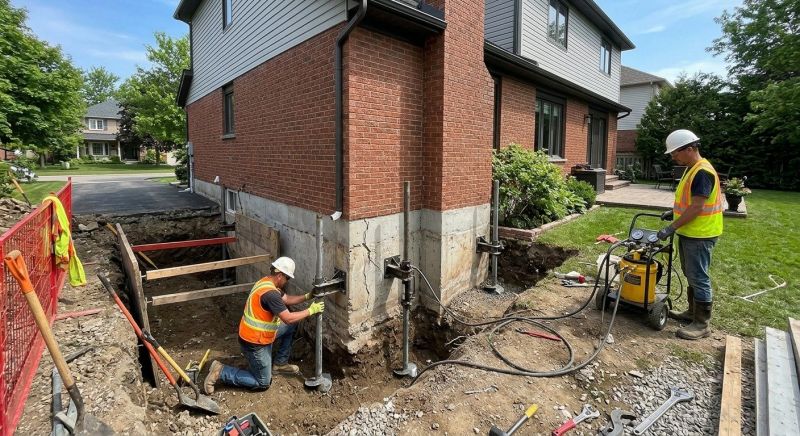
Basement Underpinning in Greenville, SC
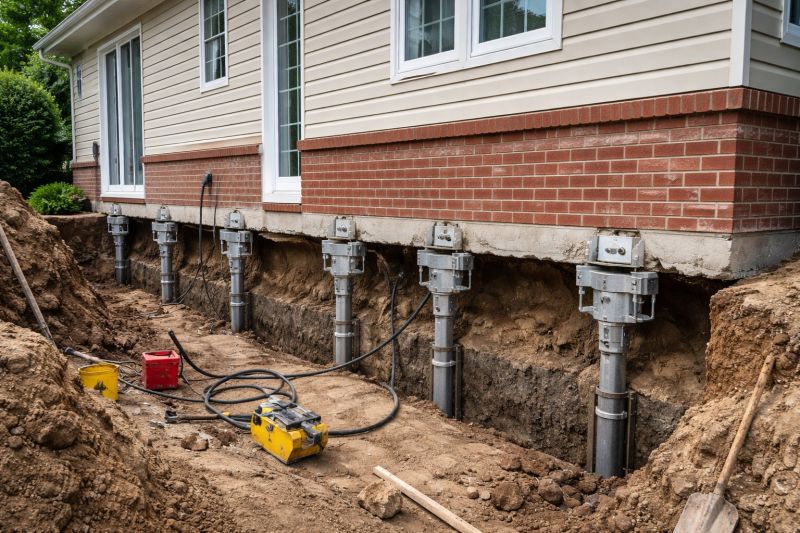
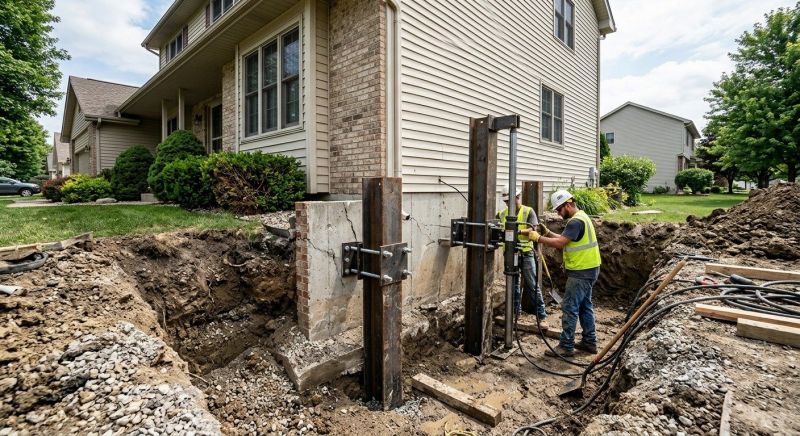
Basement underpinning services involve strengthening and stabilizing the foundation of a home by extending or reinforcing the existing basement walls. This process is often used to increase ceiling height, repair settling or shifting foundations, or prepare a basement for finishing or additional construction. Projects may include lowering a sagging basement floor, replacing or reinforcing old or damaged walls, or creating a more stable and level foundation to support future renovations or additions. Property owners typically seek underpinning when experiencing structural issues, uneven floors, or planning significant upgrades that require a solid and reliable basement structure.
Before requesting basement underpinning, homeowners usually want to understand the scope of work involved, including the methods used and the potential impact on the property. It’s important to consider factors such as the current condition of the foundation, the extent of stabilization needed, and any necessary permits or approvals. Property owners may also inquire about the expected duration of the project, the types of materials involved, and how the work will affect daily living during construction. Having clear information on these aspects can help ensure the underpinning process aligns with the property's needs and long-term stability.
Many property owners in Greenville, SC look into Basement Underpinning for repairs, replacements, upgrades, and appearance-related improvements.
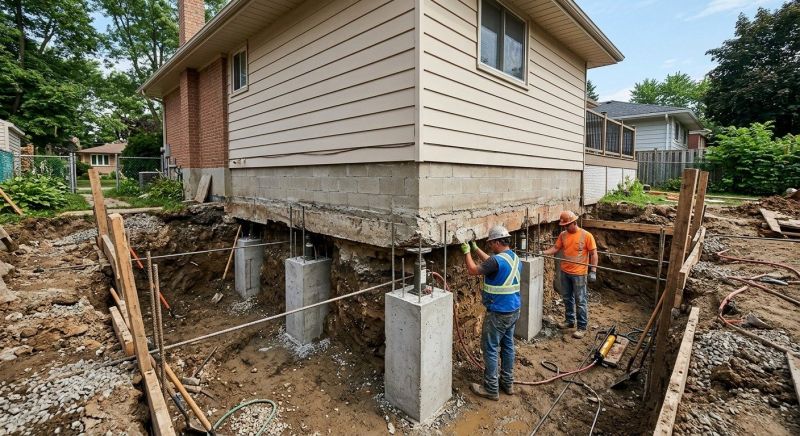
Foundation Stability
Basement underpinning enhances the strength and safety of your home’s foundation.
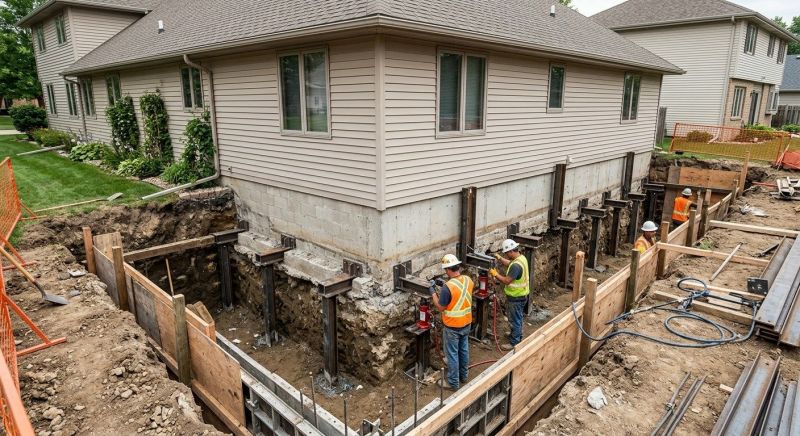
Structural Repair Solutions
Underpinning can correct uneven floors and basement settling issues common in greenville homes.
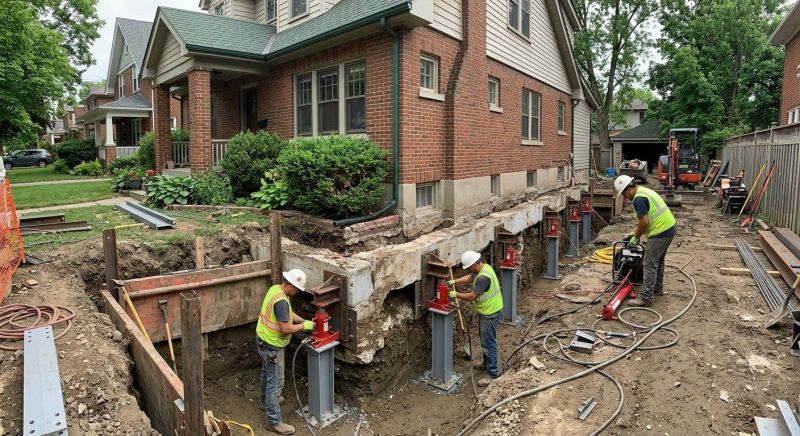
Property Value Improvement
Upgrading your basement’s foundation supports long-term property value and structural integrity.
Basement Underpinning in Greenville, SC

Basement underpinning services involve strengthening and stabilizing the foundation of a home by extending or reinforcing the existing basement walls. This process is often used to increase ceiling height, repair settling or shifting foundations, or prepare a basement for finishing or additional construction. Projects may include lowering a sagging basement floor, replacing or reinforcing old or damaged walls, or creating a more stable and level foundation to support future renovations or additions. Property owners typically seek underpinning when experiencing structural issues, uneven floors, or planning significant upgrades that require a solid and reliable basement structure.
Before requesting basement underpinning, homeowners usually want to understand the scope of work involved, including the methods used and the potential impact on the property. It’s important to consider factors such as the current condition of the foundation, the extent of stabilization needed, and any necessary permits or approvals. Property owners may also inquire about the expected duration of the project, the types of materials involved, and how the work will affect daily living during construction. Having clear information on these aspects can help ensure the underpinning process aligns with the property's needs and long-term stability.
Many property owners in Greenville, SC look into Basement Underpinning for repairs, replacements, upgrades, and appearance-related improvements.
Common Basement Underpinning Jobs
Basement underpinning - increases basement height and improves structural stability.
Foundation stabilization - addresses settling or shifting foundations to prevent further damage.
Structural reinforcement - strengthens weakened basement walls to support the building’s integrity.
Waterproofing upgrades - enhances basement moisture resistance during underpinning projects.
Foundation repair - corrects cracks and other issues caused by soil movement or settling.
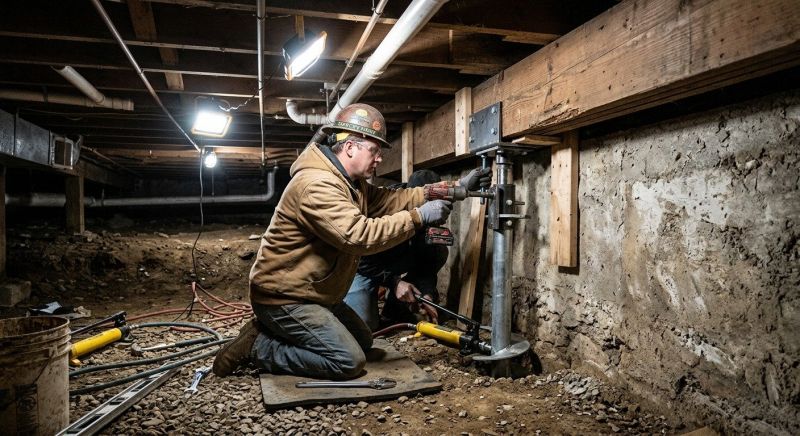
Crawl space underpinning - raises and stabilizes crawl spaces to improve home safety and comfort.
Basement Underpinning Questions
What is basement underpinning? Basement underpinning involves strengthening or extending the foundation to improve stability and support for the property.
When is underpinning necessary? Underpinning is often needed when there are foundation settlement issues, cracks, or to accommodate additions or renovations.
What types of projects require underpinning services? Projects such as basement conversions, foundation repairs, or expanding living space typically require underpinning.
How does underpinning benefit property owners? Underpinning enhances structural stability, prevents further settling, and can increase the usable space in a basement area.
Request Basement Underpinning in Greenville, SC
Use the quote form on this page to share the basics of your project and request more information for the type of work you need.